In today’s fast-paced and space-conscious world, the demand for self-storage facilities has surged dramatically. Whether it’s families downsizing, businesses 最平迷你倉 additional storage, or individuals simply looking for more organized ways to manage their belongings, self-storage has become a practical solution. The concept of renting extra space to safely store possessions is no longer just a convenience—it has evolved into a vital part of modern lifestyles. This article explores the role of self-storage, its benefits, its impact on both personal and commercial needs, and the future of this growing industry.
What is Self-Storage?
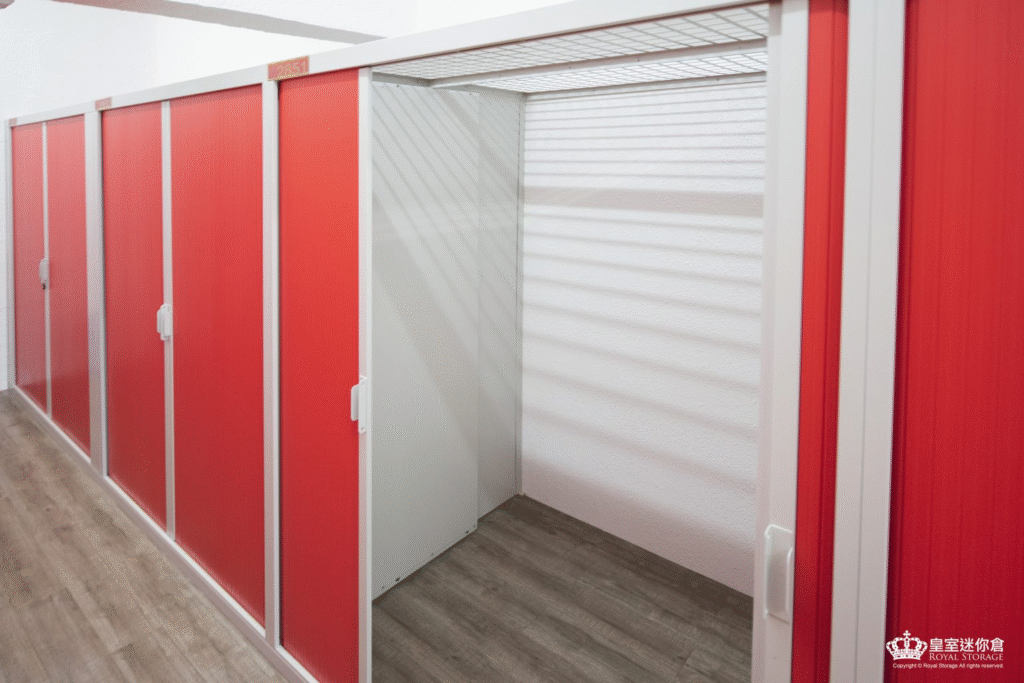
Self-storage, also known as “storage units, ” refers to secure spaces rented out to individuals or businesses to keep their belongings. These facilities usually offer units of different sizes, allowing customers to choose a space that fits their specific needs. Unlike traditional warehouses, self-storage units are accessible to renters, often 24/7, so they can retrieve or add items whenever necessary. They are designed to provide safety, convenience, and flexibility, making them an attractive choice for anyone dealing with space limitations.
Self-storage services have expanded significantly in recent decades. Originally popular in the united states, the industry has now grown worldwide, with millions of units available in urban, suburban, and even rural areas. They are used by a wide range of people—college students storing belongings during summer breaks, families keeping furniture during moves, or small businesses storing inventory without renting expensive commercial space.
Benefits of Self-Storage for individuals
For individuals, the advantages of self-storage are numerous. The most common reason people rent a unit is a lack of space at home. With housing prices increasing and urban apartments becoming smaller, many households struggle with storage. A self-storage unit can help keep items safe without cluttering the home. Seasonal items, such as holiday decorations or winter sports equipment, can be placed in storage when not in use, freeing up valuable space indoors.
Another benefit is during transitions. Life changes—such as moving, renovating, or downsizing—often create temporary storage challenges. Instead of stressing over where to keep belongings, individuals can rely on self-storage as a safe and flexible option. For example, a family moving into a new house might use storage to hold furniture until the home is ready. Similarly, people going through life events such as marriage, divorce, or relocation for work can find peace of mind knowing their items are secure during the process.
Security is another key factor. Modern self-storage facilities invest in surveillance cameras, gated access, and on-site staff to protect valuables. Climate-controlled units also prevent damage to sensitive items such as electronics, documents, or artwork, ensuring that belongings remain in excellent condition.
Benefits of Self-Storage for Businesses
Self-storage isn’t only for personal use—it has also become an essential tool for businesses. Startups, small enterprises, and even established companies are turning to storage units to cut costs and streamline operations. Instead of renting or buying larger office spaces, businesses can keep excess inventory, equipment, or archived documents in storage. This helps reduce clutter in the workplace and lowers overhead expenses.
Retail businesses often rely on self-storage to handle seasonal inventory changes. For instance, shops may need additional space to stock products before major holidays or sales seasons. A storage unit provides a flexible and affordable solution without the long-term commitments of commercial real estate.
Moreover, service-based businesses like contractors, real estate agents, or event planners often use storage to keep tools, staging materials, or equipment secure and accessible. Many self-storage facilities even offer convenient features like package acceptance or drive-up units, further helping businesses manage logistics efficiently.
The Rise of Climate-Controlled and Specialized Storage
As demand grows, self-storage has evolved to include more specialized solutions. One of the most significant innovations is climate-controlled storage. These units maintain consistent temperature and humidity levels, protecting sensitive belongings such as antiques, electronics, musical instruments, and important documents from damage caused by heat, cold, or moisture.
Additionally, some facilities offer vehicle storage for cars, motorcycles, boats, and RVs. This has become especially popular in urban areas where parking space is limited. Wine storage, art storage, and even luxury storage facilities with concierge services are also on the rise, catering to niche markets.
Technology and the Future of Self-Storage
Technology has also transformed the self-storage industry. Many facilities now provide online reservations, digital payments, and mobile apps for unit access. Some even feature “smart storage” options where customers can monitor their units remotely using mobile devices. These innovations enhance customer convenience while boosting security.
Looking ahead, the industry is expected to grow even further as urbanization continues. With more people moving into cities and living in smaller spaces, the need for flexible storage solutions will only increase. Eco-friendly self-storage facilities are also gaining attention, focusing on sustainable construction and energy-efficient operations.
The rise of the “sharing economy” has influenced self-storage as well. Peer-to-peer storage platforms now allow homeowners with extra garage or basement space to rent it out to others, providing an alternative to traditional storage companies. This hybrid model may become a significant part of the industry in the future.
Tips for Choosing the right Self-Storage Facility
When selecting a self-storage facility, it’s important to consider several factors. Location is often a priority, as a unit closer to home or work makes accessing belongings more convenient. Security measures, such as surveillance cameras, gated entry, and individual locks, should also be evaluated carefully.
Another factor is the type of unit needed. For long-term storage of delicate items, climate-controlled units are worth the investment. If frequent access is necessary, drive-up units may provide better convenience. Cost is also a consideration—while the cheapest option may be tempting, quality and security should never be compromised.
Finally, reading customer reviews and visiting the facility before renting can provide valuable insights into cleanliness, customer service, and overall reliability. A good self-storage facility should give renters peace of mind that their belongings are safe and accessible whenever needed.
Conclusion
Self-storage has grown from a simple service into a vital resource for individuals and businesses alike. Its convenience, flexibility, and security make it an essential part of modern living, especially as people face space constraints and shifting lifestyles. From temporary solutions during life transitions to long-term storage for businesses, self-storage offers a practical and affordable way to manage belongings. With innovations like climate control, vehicle storage, and digital technology shaping its future, the industry shows no signs of slowing down.
In a world where space is often at a premium, self-storage provides not just extra room but also peace of mind—making it one of the most valuable services of the modern era.