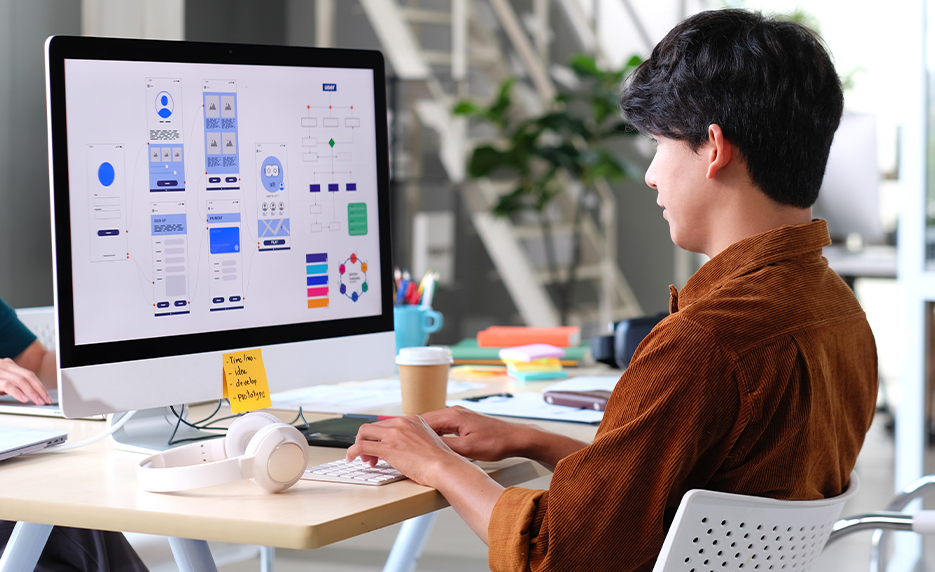
Web design has become one of the most important elements of the digital world, shaping how people interact with information, businesses, and services online. In today’s competitive environment, a well-designed website is more than just a visual presentation; it is a powerful communication tool that represents a brand’s identity and values. Businesses, creators, and organizations rely on effective web design to create engaging digital experiences that attract visitors and encourage them to stay, explore, and take action.
At its core, web design combines creativity, technology, and user experience principles web design. Designers focus on how a website looks, how it functions, and how easily users can navigate through its pages. A successful website is one that feels intuitive and natural to visitors. When users land on a page, they should immediately understand what the site offers and how to find what they are looking for without confusion. This clarity is one of the defining qualities of professional web design.
Visual design plays a major role in the overall success of a website. Colors, typography, images, and layout work together to create an attractive and consistent look. Thoughtful use of color can guide attention and evoke certain emotions, while carefully selected fonts can make content easier to read and reinforce a brand’s personality. Images and graphics, when used effectively, help communicate ideas faster than text alone. Modern web design often emphasizes simplicity, clean layouts, and balanced spacing to create a comfortable viewing experience.
Another important aspect of web design is responsiveness. With people accessing websites on smartphones, tablets, laptops, and large monitors, a website must adapt smoothly to different screen sizes. Responsive web design ensures that the layout, images, and text automatically adjust based on the device being used. This flexibility improves accessibility and helps businesses reach a wider audience, as users can browse comfortably from anywhere.
User experience, often referred to as UX, is closely connected to web design. UX focuses on how users feel while interacting with a website. A well-designed website anticipates user needs and provides clear navigation, fast loading times, and logical page structures. When visitors can quickly find information, complete tasks, or make purchases without frustration, the overall experience becomes positive and memorable. Good web design quietly guides users through a journey that feels smooth and effortless.
Content organization is another key factor in web design. Even the most visually appealing website can fail if the information is poorly structured. Designers work closely with content creators to ensure that text, images, and other media are arranged in a meaningful and accessible way. Clear headings, readable paragraphs, and well-placed visuals help users scan information quickly. This is especially important because many people browse websites rather than reading every word.
Modern web design also emphasizes performance and speed. Visitors expect websites to load quickly, and slow pages often lead to high bounce rates. Designers and developers work together to optimize images, streamline code, and use efficient hosting solutions to keep loading times minimal. A fast website not only improves user satisfaction but can also contribute to better search engine visibility.
Another growing focus in web design is accessibility. Designers aim to create websites that can be used by people with different abilities and needs. This includes ensuring that text has sufficient contrast, images include descriptive alt text, and navigation can be used with assistive technologies such as screen readers. By prioritizing accessibility, web design becomes more inclusive and ensures that information is available to a broader audience.
Brand identity is deeply connected to web design as well. A website often serves as the first impression of a business or organization. Consistent colors, logos, messaging, and visual style help reinforce a recognizable brand image. When web design aligns with a brand’s personality and values, it creates trust and professionalism in the eyes of visitors. This trust is essential for building long-term relationships with customers and audiences.
Trends in web design continue to evolve as technology and user expectations change. Interactive elements, subtle animations, and immersive visuals are becoming more common as designers look for new ways to capture attention. At the same time, there is a growing appreciation for minimalism and clarity, where unnecessary elements are removed to keep the focus on essential content. The best web design balances creativity with usability, ensuring that visual flair never interferes with functionality.
Collaboration is also a crucial part of the web design process. Designers often work with developers, marketers, content writers, and business owners to bring a website to life. Each member of the team contributes their expertise to ensure that the final product meets both creative and practical goals. This collaborative approach helps create websites that not only look impressive but also perform effectively in achieving business objectives.
Security and reliability are additional considerations in modern web design. Users want to feel confident that their personal information is protected when interacting with a website. Designers and developers incorporate secure connections, reliable frameworks, and regular updates to maintain a safe environment. A secure website builds trust and encourages users to engage more freely with online services.
Ultimately, web design is about creating meaningful digital experiences. It blends artistic vision with technical precision to transform ideas into functional online spaces. A thoughtfully designed website can educate, inspire, entertain, and connect people across the world. As the internet continues to grow and evolve, web design will remain a vital discipline that shapes how individuals and businesses communicate in the digital age.