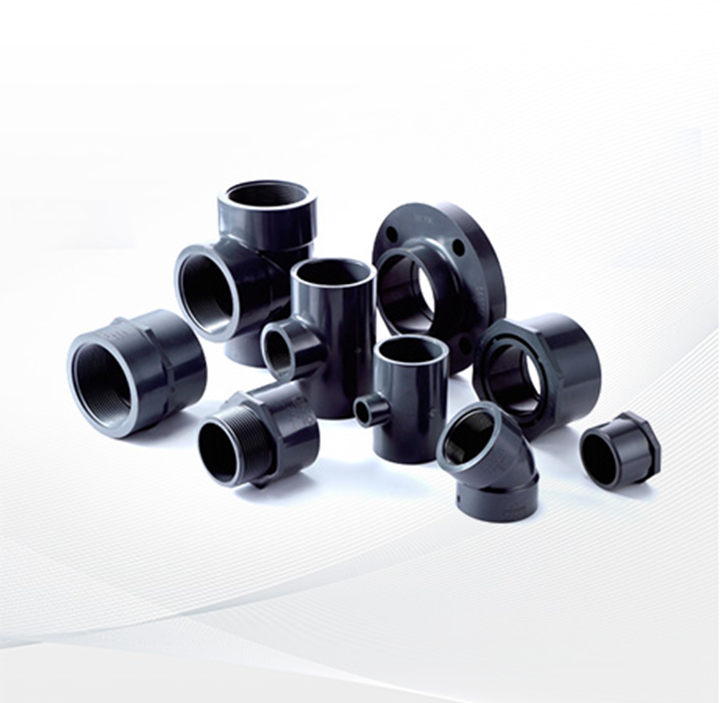
When working on piping systems that require both plastic and metal parts, connecting SCH 80 PVC fittings with metal components is sometimes necessary. SCH 80 PVC fittings, available from LESSO America, are designed for high-pressure systems and offer excellent corrosion resistance. However, joining them with metal parts can present challenges if not handled properly. Differences in material properties such as thermal expansion, thread type, and pressure tolerance can create stress points that may lead to leaks or failure.
Potential Risks to Watch For
One of the most common issues in connecting PVC to metal is thread damage. Metal threads can easily over-tighten and crack PVC components, especially if excessive force is applied. Galvanic corrosion is another concern when dissimilar materials are joined, particularly in wet or humid environments. This reaction can weaken metal parts and reduce the lifespan of the entire system.
Additionally, PVC expands and contracts differently than metal when exposed to temperature changes. If not accounted for during installation, this difference can create joint stress and compromise seal integrity over time.
Tips for Safe and Effective Connections
To reduce these risks, it’s important to follow best practices during installation. LESSO America recommends always using thread sealants compatible with both plastic and metal, avoiding Teflon tape that can cause over-tightening. When threading PVC into metal, it’s safer to insert the male plastic fitting into the female metal fitting to reduce stress.
Installing flexible joints or unions between PVC and metal sections can help absorb movement from temperature shifts. It’s also helpful to ensure the system design avoids sharp turns or stress points near the material transition.
Conclusion
Connecting SCH 80 PVC fittings from LESSO America with metal components can be done safely with careful planning and proper techniques. By understanding the risks and applying the right installation methods, contractors and facility managers can build reliable mixed-material systems. Thoughtful design and material awareness go a long way in supporting long-term performance and system durability.